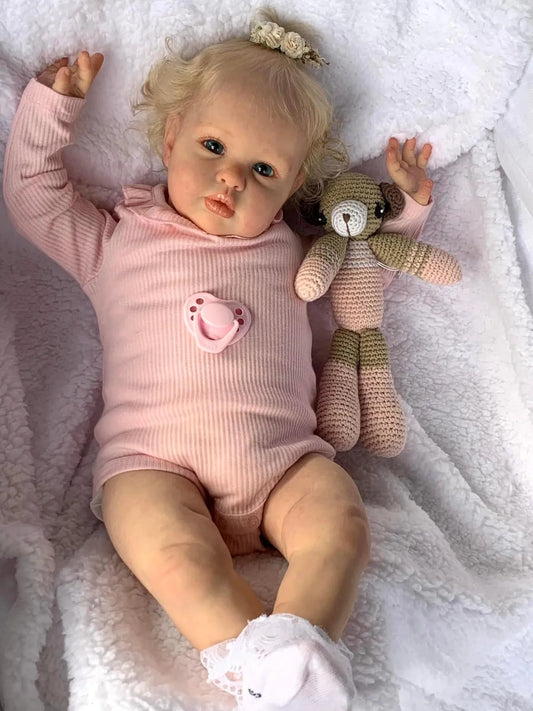
Reborn Doll vs Regular Baby Doll: What's the Real Difference?
NOUVEAU - What Are Reborn Baby Dolls
Reborn Doll vs Regular Baby Doll: What's the Real Difference?
⚡ Réponse rapide
A reborn doll is hand-painted layer by layer in vinyl or silicone, weighted to feel like a real infant, and rooted with real hair — built for realism and emotional comfort. A regular baby doll is mass-produced, lighter, factory-painted, and made for open, active play. Reborn dolls cost more but deliver far deeper realism.
What Sets Them Apart
Walk into any toy aisle and you'll see rows of regular baby dolls: bright plastic eyes, glued-on hair, a smile molded permanently onto the face. They're fun, colorful, and built to survive drops, dunks in bathwater, and years of rough play. A reborn doll lives in a completely different world. Every reborn is an individual creation — hand-painted in translucent layers to mimic real skin tone, veining, and even the soft blush of newborn cheeks.
The biggest difference isn't just how they look on a shelf. It's how they make you feel when you hold them. Regular dolls are objects. Reborns are designed to trigger the same nurturing response you'd have holding an actual baby — which is exactly why so many collectors, grandparents, and caregivers choose them over standard toys.
If you're just starting to explore this world, browse a full range of reborn baby dolls to see the variety of styles, skin tones, and poses available before comparing them side by side with typical toy-store dolls.
Quick Distinction
Think of it this way: a regular baby doll is a toy that looks like a baby. A reborn doll is art that feels like a baby.
Materials and Craftsmanship
Regular baby dolls are almost always injection-molded plastic or basic PVC. The whole doll — body, face, limbs — comes out of one mold, gets a quick spray-paint finish, and hair is often synthetic and glued in patches. Production is fast and cheap because these dolls are made in huge batches for mass retail.
Reborn dolls start from a blank kit, usually vinyl or silicone, sculpted by an artist to capture realistic newborn proportions — wrinkled knuckles, soft creases at the ankles, a rounded belly. Artists apply 10 to 20+ thin layers of paint, baking or curing between layers to build depth that a single spray coat could never achieve. Hair is often mohair or fine synthetic fiber, rooted strand by strand into the scalp with a needle, a process that alone can take hours.
If you love the idea of building or customizing your own, reborn doll kits let you paint and root a doll yourself, while silicone reborn dolls offer the most skin-like, squishable finish for those who want maximum realism straight out of the box.
Ask About the Layers
When shopping, ask how many paint layers a doll has. More layers generally mean more depth, more realistic undertones, and a doll that looks alive rather than flat under different lighting.
Weight and Touch
Pick up a regular baby doll and it feels hollow — light, stiff, almost weightless in your arms. Reborns are deliberately weighted with glass beads, polyester fiber fill, or specialty weighted pellets inserted into the body cavity to mimic the actual heft of a newborn, often landing somewhere close to the weight of a real infant depending on size.
This weight matters more than people expect. Many caregivers using reborns for therapeutic purposes — comfort for dementia patients, grief support, anxiety relief — report that the realistic weight is what triggers the calming, nurturing response. A too-light doll doesn't have the same effect.
Cloth-bodied versions add another layer of realism to the touch. If you want a soft, huggable feel rather than a firmer vinyl body, cloth body reborn dolls combine a weighted cloth torso with vinyl limbs and head for a gentler, more flexible cuddle.
10-25
business days tracked shipping
Free
shipping on orders over $80
3
simple steps to choose your doll
Price and Value
Regular baby dolls are priced for volume — quick, affordable, replaceable. Reborns sit at a different price point because of the labor: hand-sculpting, multi-layer painting, hand-rooted hair, and weighting all take real hours of skilled work. You're not paying for plastic, you're paying for craftsmanship and time.
That said, reborns aren't only for big spenders. There's a wide range depending on size, material, and detail level. If budget is a concern, it's entirely possible to start with a smaller or simpler piece. Check out affordable reborn dolls for entry-level options that still deliver genuine hand-finished realism, or look at mini reborn dolls, which tend to cost less simply because they use less material and painting time.
| Feature | Regular Baby Doll | Reborn Doll |
|---|---|---|
| Material | Molded plastic/PVC | Vinyl or silicone, hand-finished |
| Paint | One spray coat | 10-20+ hand-applied layers |
| Weight | Light, hollow | Weighted to feel newborn-like |
| Hair | Glued synthetic patches | Hand-rooted mohair/fiber |
| Purpose | Active play | Realism, comfort, display |
| Production | Mass factory batch | Individually crafted |
Who They Are For
Regular baby dolls remain a fantastic choice for young children who need something durable to drag around, bathe, and play rough with. They're washable, replaceable, and built to survive childhood chaos — that's their job, and they do it well.
Reborn dolls serve a different audience entirely: adult collectors who appreciate the artistry, grandparents who want a lifelike companion, nursery decorators, doll photographers, and caregivers using dolls for therapeutic comfort. They're also popular gifts for children old enough to handle a doll gently, especially those drawn to realistic baby dolls that feel more special than a typical toy.
Gender and pose preferences matter too. Some buyers specifically look for girl reborn dolls or boy reborn dolls to match a nursery theme, while others want a doll that appears to be sleeping peacefully — a popular request among sleeping reborn dolls for calm, low-maintenance display.
"A reborn isn't judged by how fast it was made — it's judged by how convincingly it breathes life into a room the moment someone holds it."— Independent reborn artist
Care and Durability
Regular dolls are nearly indestructible in the context of child play — dishwasher-safe heads, water-resistant bodies, and a shrug-it-off attitude toward drops. Reborns need gentler handling. Vinyl and silicone surfaces can be marked by ink, sharp objects, or prolonged direct sunlight, which can fade the careful paintwork over time.
The upside is that with reasonable care, a reborn can last for many years, often becoming a treasured piece passed down or added to a growing collection. Cleaning is simple — a damp cloth and mild soap for the vinyl, avoiding submersion for silicone unless the piece is specifically labeled bath-safe.
- Store away from direct sunlight to protect paint tone
- Use a soft, damp cloth rather than harsh cleaners
- Handle by the body, not just the limbs, to avoid stress on joints
- Keep rooted hair brushed gently with a soft baby brush
- Dress in soft, breathable fabrics to avoid dye transfer
💡
Avoid This Mistake
Never leave a reborn doll in a hot car or near a window in direct sun for long periods — heat and UV rays are the fastest way to fade or warp the vinyl finish.
Making Your Choice
If your goal is simple, durable fun for a young child, a regular baby doll is the practical, worry-free pick. If your goal is realism, emotional connection, or building a meaningful collection, a reborn doll is worth the investment in both money and care.
Many buyers start small — a newborn reborn doll or a set of matching twin reborn dolls — and expand their collection over time with accessories, clothing, and even skin-tone diversity through Black reborn dolls. Once you own one, outfitting it is half the fun: browse reborn doll clothes and reborn doll accessories to complete the experience.
💡
Not Sure Which Material?
If you're torn between vinyl and silicone, start with vinyl reborn dolls — they're lighter, more affordable, and still deliver impressive realism for first-time buyers.
Ready to Find Your Reborn Doll?
Explore hand-finished, weighted, true-to-life reborn dolls built for real comfort and lasting craftsmanship. Shop styles, sizes, and skin tones to find the one that feels right in your arms.
Voir la collection →FAQ
Yes, significantly. Reborn dolls are intentionally weighted with materials like glass beads or fiber fill to mimic the feel of an actual newborn in your arms. Regular baby dolls are hollow plastic and feel noticeably light by comparison, which is one of the biggest tactile differences buyers notice the moment they pick up a reborn for the first time.
Reborns can be enjoyed by older, gentler children, but they aren't built for rough, everyday play like regular baby dolls. The detailed paintwork and delicate rooted hair need careful handling. For toddlers or very active play, a standard toy-store doll is usually the more practical and durable choice.
The price reflects hours of skilled hand labor: sculpting realistic details, applying dozens of paint layers, rooting hair strand by strand, and carefully weighting the body. Regular dolls are mass-produced in factories with automated painting and molding, which keeps costs low but sacrifices the individual realism reborns are known for.
Silicone tends to offer a softer, more skin-like feel and often superior detail, while vinyl is lighter and generally more budget-friendly. Neither is strictly "better" — it depends on your priorities. Many first-time buyers start with vinyl before investing in a silicone piece once they know exactly what they love.
Standard tracked shipping typically takes between 10 and 25 business days, and orders over $80 ship free. Because each reborn doll involves careful packaging to protect delicate details like rooted hair and painted features, a little patience goes a long way in ensuring your doll arrives in perfect condition.
Some listings include a basic outfit, but many collectors prefer to shop separately for a personalized wardrobe and gear. Dedicated collections for clothing and accessories make it easy to dress your doll seasonally, match a nursery theme, or add realistic touches like blankets, bottles, and pacifiers.
Tags:
Previous
The Ultimate Guide to Reborn Baby Doll Accessories & Clothing
Next
How to Care for Reborn Baby Dolls: The Complete Owner's Guide