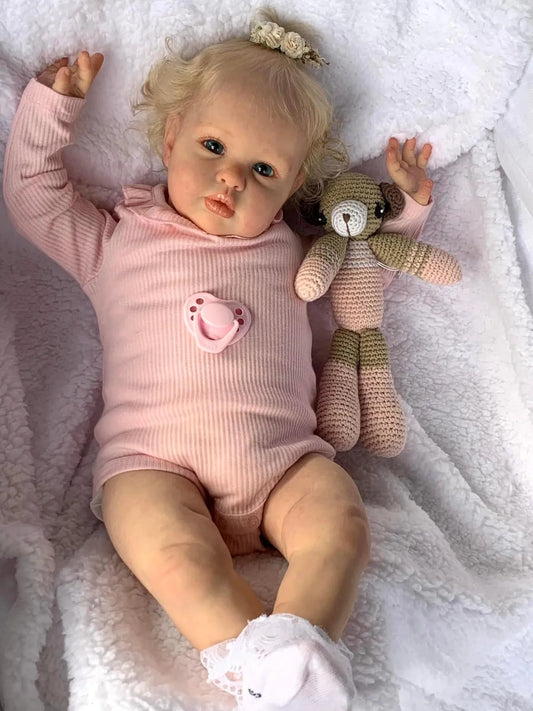
How to Care for Reborn Baby Dolls: The Complete Owner's Guide
NOUVEAU - Reborn Doll Care & Maintenance
How to Care for Reborn Baby Dolls: The Complete Owner's Guide
⚡ Réponse rapide
To care for a reborn baby doll, gently hand-wash the vinyl or silicone body with mild soap and lukewarm water, brush rooted hair with a soft baby brush, store it lying flat away from direct sunlight and heat, and dress it in breathable cotton clothing. Avoid harsh chemicals, prolonged sun exposure, and rough handling to keep the paint and details intact for years.
Understanding Your Reborn Doll's Material
Before you can properly care for a reborn baby doll, you need to know exactly what it's made of, because vinyl and silicone require slightly different approaches. Most dolls sold as vinyl reborn dolls have a soft, matte-finish skin that's been hand-painted in multiple thin layers to achieve that lifelike mottled, veined look. This paint sits on the surface and is more delicate than the material underneath, which means it can rub off, fade, or scratch if you're not careful with how you clean and handle it.
Silicone reborns, on the other hand, tend to have the pigment mixed into the material itself during casting, plus additional layers of translucent paint on top for depth. Because silicone is more elastic and slightly more resistant to certain cleaning products, some owners assume it's indestructible — it isn't. Silicone can still stain, especially from colored clothing, ink, or newsprint, and it attracts dust and lint more than vinyl does. Whichever material you own, always check the care instructions that came with your specific doll, since artists sometimes use different sealants or finishing techniques.
Know before you clean
If you're unsure whether your doll is vinyl or silicone, look at the listing description or box it came in. When in doubt, treat it as the more delicate vinyl-painted finish and use the gentlest cleaning method possible.
The body construction also matters for care routines. Many reborns, especially cloth body reborn dolls, combine a soft weighted fabric torso with vinyl limbs and head. These cloth bodies should never be submerged in water — only the vinyl parts can be washed, while the fabric body needs spot-cleaning only to avoid mold or shape distortion from trapped moisture.
Cleaning Your Reborn Baby Doll Safely
Cleaning is where most accidental damage happens, so slow down and use the right technique. Start by filling a basin with lukewarm — never hot — water and add a small amount of mild, unscented baby soap or a gentle dish soap. Hot water can soften vinyl and cause warping over time, while scented or antibacterial soaps often contain additives that dull the painted finish.
Use a soft cloth or your fingertips (never a scrub brush or sponge with texture) to gently wipe down the face, limbs, and body. Pay extra attention to the folds around the neck, wrists, and knees where dust and lotion residue tend to build up. For the face specifically, work in light circular motions and avoid pressing hard around painted details like eyebrows, lips, and eye rims — this is where repeated scrubbing wears through paint fastest.
- Use lukewarm water only, never hot or cold extremes
- Choose unscented, alcohol-free, mild soap
- Pat dry with a soft towel — never rub aggressively
- Air-dry fully before dressing or storing
- Avoid submerging cloth bodies or electronic components
- Skip baby wipes with added fragrance or alcohol
Once cleaned, pat the doll dry gently with a soft, lint-free towel rather than rubbing, which can create friction marks on the paint. Let it air-dry completely — ideally for several hours — before dressing it again, since trapped moisture inside clothing seams can lead to a musty smell or, on cloth-bodied dolls, mildew.
Never use these products
Avoid rubbing alcohol, baby oil, makeup remover, bleach, or any household cleaner on a reborn doll's skin. These products can strip the matte finish, cause discoloration, or leave the vinyl permanently sticky or tacky to the touch.
Caring for Rooted Hair and Wigs
Rooted mohair or synthetic hair is one of the most delicate features on a reborn doll, and it deserves its own gentle routine. Always use a soft baby brush or a wide-tooth doll comb, and brush in small sections starting from the ends and working up toward the roots to avoid pulling strands loose. Never brush rooted hair when it's wet, since wet fibers stretch and break more easily than dry ones.
If the hair looks frizzy or tangled, a light misting of diluted fabric softener (mixed heavily with water) applied with a spray bottle can help restore softness — just avoid saturating the scalp area where the hair is actually rooted into the vinyl, as excess moisture there can loosen the anchoring over time. For wigged dolls rather than rooted hair, simply remove the wig before washing the head and reattach once both are completely dry.
Storing hair between wears
If your doll won't be displayed for a while, loosely braid or tie the hair back with a soft fabric scrap (never a tight rubber band) to prevent matting and static buildup during storage.
Dolls in the newborn reborn dolls category often have finer, sparser rooted hair meant to mimic a real infant's soft down, which is even more prone to breakage than fuller toddler-style wigs. Handle these with extra patience, and resist the urge to style or heat-treat the hair, since most rooted mohair cannot tolerate heat tools at all.
Proper Storage Between Uses
How you store a reborn between play or display sessions has a huge impact on its long-term appearance. The biggest enemies of vinyl and silicone are heat, direct sunlight, and humidity — all of which accelerate yellowing, cracking, or softening of the material. Store your doll lying flat on its back in a cool, dry room away from windows, radiators, and direct heating vents.
Many collectors use the original box the doll arrived in, lined with soft tissue paper, as a long-term storage solution. If you display your doll instead of boxing it, rotate its position occasionally and keep it out of direct sun exposure, which can fade both the paint and any fabric clothing within just a few weeks of consistent exposure.
| Storage Factor | Safe Range / Practice | Risk If Ignored |
|---|---|---|
| Temperature | Cool, stable room temperature | Softening, tackiness, warping |
| Sunlight | Indirect light only | Yellowing, color fading |
| Humidity | Dry, well-ventilated space | Mold on cloth bodies, musty odor |
| Position | Lying flat, supported | Limb strain, joint stress over time |
If you're storing multiple dolls at once — say, from a growing collection that includes twin reborn dolls — keep them separated by soft tissue or fabric so painted surfaces don't rub against each other during transport or shifting in storage.
10-25 days
Tracked shipping window for orders
Free
Shipping on orders over $80
3 steps
Clean, dry, store — the core routine
Dressing and Clothing Care
The outfits you choose directly affect how well your reborn's skin stays clean and undamaged. Dark or brightly dyed fabrics, especially cheap synthetic materials, can transfer color onto vinyl or silicone through sweat, humidity, or simple prolonged contact — a problem collectors call "dye transfer." To avoid this, stick to high-quality cotton or cotton-blend pieces, and always wash new clothing once before dressing your doll for the first time to remove excess dye and manufacturing residue.
Browsing reborn doll clothes designed specifically for these dolls is usually safer than repurposing standard baby clothes, since many are pre-tested for colorfastness. When undressing your doll, do it gently — pulling tight-fitting clothing over the head or through narrow sleeves can stress joints or crack paint at pressure points like the elbows and knees.
Accessorize thoughtfully
Pacifiers, bottles, and blankets from a dedicated reborn doll accessories line are shaped and sized to fit realistically without pressing too hard on delicate facial features or joints.
If you notice any discoloration on the skin from clothing, act quickly — a very mild soap-and-water clean right after the color appears has a much better chance of lifting the stain than waiting days or weeks, when it may set into the paint layer permanently.
Handling Repairs and Common Issues
Even with the best care, minor issues sometimes appear over months or years of ownership. Loose limbs, for example, are common on jointed dolls and usually stem from the internal elastic or joint mechanism loosening with regular movement — this is normal wear, not damage, and can often be tightened at home if you're comfortable with basic doll mechanics, or handled by a repair specialist if you're not.
Small paint chips or scuffs, particularly on high-contact areas like fingertips or the tip of the nose, are best left to a reborn artist for touch-up work rather than attempting a DIY fix with regular acrylic paint, which won't match the layered, translucent technique used in authentic reborning. If the vinyl develops a sticky or tacky surface, this is often a sign of past sun exposure or a reaction with certain plastics stored nearby — gently washing with mild soap can sometimes help, but severe cases may need professional attention.
"A reborn doll ages gracefully when you treat cleaning like a gentle bath, not a scrub-down — patience with the material always outlasts force."— Independent reborn doll artisan
For collectors managing dolls across different lines — from silicone reborn dolls to more budget-friendly cheap reborn dolls — it helps to keep a simple maintenance log noting when each doll was last cleaned, what products were used, and any issues spotted, so small problems don't go unnoticed for months.
Daily Handling Best Practices
Beyond scheduled cleaning and storage, everyday handling habits make the biggest difference in how long a reborn baby doll stays in great condition. Always support the head and neck when lifting the doll, just as you would with a real infant — this reduces strain on the internal joint or neck connector and prevents the head from wobbling loose over repeated handling.
Wash your hands before handling your doll, especially before touching the face, since natural skin oils and lotions can build up on the vinyl over time and attract dust. If children will be playing with the doll regularly, gently teach them the same careful handling — no dropping, no dragging by one limb, and no submerging in bathwater unless the doll is specifically designed as bath-safe.
A quick weekly check
Once a week, do a 60-second visual scan: check the joints for looseness, the face for dust buildup, and the clothing for any color transfer starting. Catching small issues early always beats a bigger fix later.
Whether your collection includes boy reborn dolls, girl reborn dolls, or compact mini reborn dolls, the same core handling principles apply across the board: support the neck, keep hands clean, dress gently, and always store away from heat and sun.
Ready to Start or Grow Your Reborn Collection?
Explore realistic, carefully crafted reborn baby dolls built to last with proper care, from newborn styles to fully poseable toddlers. Find the perfect companion piece for your collection today.
Voir la collection →FAQ
Most collectors clean their reborn doll every few weeks with regular display or handling, or immediately if the doll gets visibly dusty, stained, or comes into contact with lotion, food, or colored fabric. There's no strict schedule — the goal is to clean whenever residue starts building up rather than waiting for a fixed calendar date. Over-cleaning with harsh products is more harmful than slightly infrequent gentle cleaning, so prioritize gentleness over frequency.
It's best to avoid regular human shampoo, since many formulas contain moisturizers, sulfates, or fragrances that can leave residue or affect the fiber quality of mohair or synthetic rooted hair. Instead, use plain water with a tiny amount of mild baby shampoo if needed, rinse thoroughly, and pat dry gently with a towel. Always let the hair air-dry fully before brushing, and never use heat tools like blow dryers or straighteners on rooted hair.
Yellowing and tackiness are usually caused by prolonged sun exposure, storage near heat sources, or chemical reactions with certain plastics like PVC packaging stored nearby. Vinyl is particularly sensitive to UV light, which breaks down the material's surface over time. To prevent this, always store your doll away from windows and heating vents, and avoid leaving it in a hot car or direct sunlight for extended periods, even briefly on a sunny day.
Only fully vinyl or silicone dolls without electronic components or cloth bodies can be safely submerged in lukewarm water. If your doll has a soft cloth torso, internal sound mechanisms, or a weighted body with fabric, submerging it can cause permanent damage like mold, warping, or ruined electronics. Always check your specific doll's construction before bathing it, and when in doubt, stick to gentle wipe-downs with a damp cloth instead of full submersion.
Loose joints are common after months of regular repositioning and are usually caused by the internal elastic or joint mechanism naturally loosening over time. Some jointed dolls have accessible joint screws or elastic that can be gently tightened at home with basic tools if you're comfortable doing so carefully. If you're unsure or the doll uses a more complex internal armature, it's safer to consult a reborn repair specialist rather than risk damaging the vinyl by forcing the joint.
The sooner you address a dye transfer stain, the better your chances of removing it completely. Gently clean the affected area with lukewarm water and mild, unscented soap using a soft cloth, working in small circular motions without pressing hard. If the stain persists after a few gentle attempts, avoid switching to stronger chemicals — instead, consult a reborn doll repair artist, since some deep-set stains require specialized techniques that won't damage the underlying paint.
Tags:
Previous
Reborn Doll vs Regular Baby Doll: What's the Real Difference?
Next
Silicone vs Vinyl Reborn Dolls: Which Material Is Right for You?