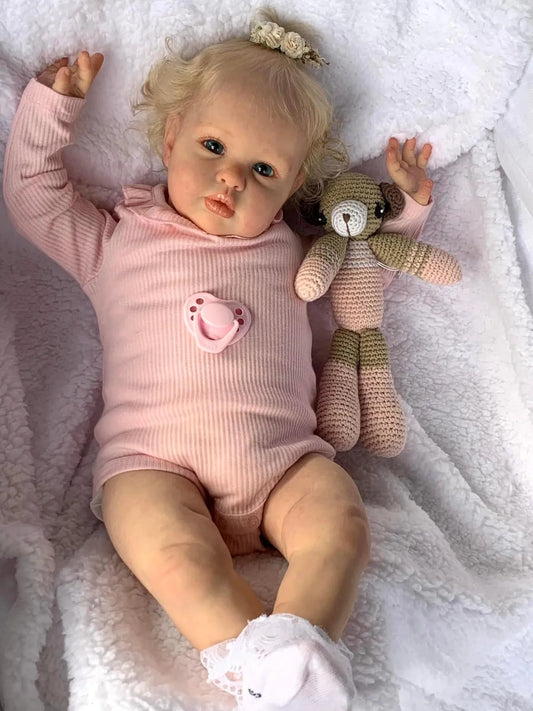
What Are Reborn Baby Dolls: Complete Guide
NOUVEAU - What Are Reborn Baby Dolls
What Are Reborn Baby Dolls: Complete Guide
⚡ Réponse rapide
Reborn baby dolls are hand-crafted collectible dolls made from vinyl, cloth, or silicone and painted in dozens of thin layers to mimic real skin, veins, and newborn features. Artists add weighted bodies, rooted or painted hair, and tiny details so each doll looks and feels remarkably lifelike.
What Exactly Is a Reborn Baby Doll?
A reborn baby doll is far more than a toy. It's a hand-finished art piece designed to replicate the look, weight, and feel of a real infant. The term "reborn" comes from the process of taking a blank vinyl doll kit and transforming it — literally giving it a new, lifelike identity through layers of paint, rooted hair, and careful assembly. Every reborn doll starts as a sculpt, usually created by a doll artist who studies real newborn proportions: the soft creases around the wrists, the slightly uneven skin tone, the delicate eyelids.
What sets reborns apart from mass-produced dolls is the level of craftsmanship. A single doll can take an artist between fifteen and forty hours to complete, layering translucent paint to create the illusion of veins, blushing cheeks, and even faint blotchy newborn skin. This technique, called "layering" or "mottling," is what gives reborn dolls their signature realism. No two reborns are identical, even when made from the same mold, because every layer of paint is applied by hand.
Collectors and gift-givers are drawn to reborns for very different reasons — some want a comforting companion, others want a stunning display piece, and many parents-to-be use them to practice newborn care. Whatever the motivation, the common thread is emotional connection. People don't just buy a reborn doll; they choose one that feels right, the way you'd pick out a family photo.
Good to know
The word "reborn" doesn't mean the doll was ever a different toy that got repainted — most reborn dolls today start as brand-new vinyl kits specifically designed for this art form.
How Reborn Dolls Are Made
The reborning process generally follows a consistent path, even though every artist adds their own personal touch. It typically unfolds in three broad stages: preparing the vinyl, painting and detailing, and finally assembling the body.
First, the artist sands the vinyl parts (head, arms, legs) to remove the factory shine, which helps the paint adhere and look more matte and skin-like. Then comes the painting stage — the most time-intensive part. Thin layers of genesis heat-set paints are applied and baked between coats, building up realistic skin tones, blushing, and even tiny "stork bites" or newborn rashes that make the doll look freshly born. Eyelashes are applied individually or in small clusters, and eyebrows are painted hair by hair using a fine detail brush.
Next, hair is added. Some dolls have hair rooted strand by strand using a technique called micro-rooting, where mohair or high-quality synthetic fiber is looped through the scalp with a needle. Other dolls come with a soft painted hair look for that just-born appearance. Finally, the limbs are filled — often with glass beads or polyester fiber — to create the same soft, weighted feel of holding an actual baby, before everything is assembled onto a cloth or vinyl body.
Expert tip
Ask any doll artist and they'll tell you: patience is the real material. Rushing the paint layers is the fastest way to lose that soft, believable skin tone — each coat needs time to cure before the next goes on.
Materials: Vinyl, Silicone, and Cloth
Reborn dolls are made using a combination of materials, and understanding the differences helps you choose the doll that fits your needs and budget.
Vinyl is the most common material. It's lightweight, durable, and takes paint beautifully, which is why the majority of vinyl reborn dolls on the market strike such a great balance between realism and affordability. Vinyl is also easier to clean and maintain than silicone, making it a popular choice for beginners and for dolls that will be handled often.
Silicone is the premium option. It has a softer, squishier feel that mimics real baby skin even more closely, and it allows for incredible detail in wrinkles and folds. Silicone reborn dolls tend to be heavier and pricier due to the material cost and the additional skill required to work with it, but many serious collectors consider the tactile realism worth the investment.
Cloth is typically used for the body, not the head or limbs. A soft, weighted cloth torso gives the doll a natural give when cradled, which is especially comforting for people using reborns for therapeutic or emotional support purposes. You'll find these combined designs in most cloth body reborn dolls, where a vinyl or silicone head and limbs are attached to a plush, huggable body.
| Material | Feel | Best For |
|---|---|---|
| Vinyl | Firm, smooth, lightweight | Everyday handling, beginners |
| Silicone | Soft, squishy, heavier | Maximum realism, display |
| Cloth body | Plush, huggable | Comfort, nursing practice |
Why People Collect Reborn Dolls
The reasons people fall in love with reborn dolls are as varied as the dolls themselves. Some collectors are drawn purely to the artistry — they appreciate reborns the way others appreciate fine porcelain figurines or hand-painted portraits. Every doll represents dozens of hours of skilled work, and owning one feels like owning a piece of miniature sculpture.
Others find genuine emotional comfort in reborn dolls. Grandparents whose grandchildren live far away, parents coping with loss, or individuals managing anxiety often describe holding a weighted reborn as soothing in a way that's hard to put into words. The weight, the softness, the lifelike face — it triggers the same nurturing instinct that holding a real infant does.
There's also a strong practical use case: nursing and childcare students frequently use realistic dolls to practice swaddling, bottle-feeding positions, and CPR techniques before working with real infants. And of course, many people simply collect them as a hobby, trading, customizing, and displaying their dolls the way others collect model trains or vintage cameras.
A good reborn doesn't just look like a baby — it should feel believable in your arms, from the weight distribution to the way the head settles into the crook of your elbow.— Independent reborn doll artist
15-40 hrs
typical hand-painting time per doll
10-25 days
tracked shipping window
Free
shipping on orders over $80
Types of Reborn Dolls
Reborn dolls come in a wide range of styles, sizes, and features, so there's genuinely something for every preference. Newborn-style dolls are the most popular starting point — they capture that just-born look with slightly puffy eyes, wrinkled skin, and a curled-up posture. If you love that fresh-from-the-hospital realism, browse the newborn reborn dolls collection for options with authentic detailing.
Size matters too. Full-sized reborns typically range from 19 to 22 inches and weigh several pounds to mimic a real baby, while smaller options are lighter and easier to handle or display. If you want something more compact — great for smaller collections or as an easier first purchase — check out mini reborn dolls, which offer the same craftsmanship in a smaller scale.
Gender-specific styling is another consideration. Some collectors want a specific look and outfit style, whether that's classic pastel gowns or little overalls, which is why shoppers often browse separately through girl reborn dolls and boy reborn dolls. There are also sleeping variations, where the doll's eyes are permanently closed for an extra-peaceful expression, popular among those who want a calmer display piece — you'll find these in the sleeping reborn dolls collection. For collectors who love variety, twin reborn dolls are a charming option, letting you display two coordinated dolls side by side.
- Newborn-style dolls with wrinkled, freshly-born detailing
- Mini dolls for easier handling and smaller collections
- Sleeping dolls with closed eyes for a calm display look
- Twin sets for collectors who love matching pairs
- Boy and girl styling with distinct outfits and features
How to Choose Your First Reborn Doll
If you're buying your first reborn, start by thinking about what you want to feel when you hold it. Are you looking for the most photorealistic option possible, or something soft and comforting to cuddle? This will help you decide between vinyl and silicone, and whether a cloth body matters to you.
Budget is the next practical factor. If you're just starting out or want to test the hobby before investing heavily, the cheap reborn dolls collection offers accessible entry points without sacrificing the core reborn look. As your interest grows, you may want to explore more premium, highly-detailed pieces from the broader reborn baby dolls range or check current reborn dolls for sale for the best current selection.
Also consider realism level. Some buyers want a doll that could genuinely pass for a sleeping infant from across the room — for that, look toward the realistic baby dolls collection, which emphasizes lifelike detailing in skin tone, weight, and proportions.
Before you buy
Always check the material, size, and weight listed in the product description. "Lifelike" can mean different things depending on the doll's price point and materials, so read carefully before comparing options.
Popular first choice
Many first-time buyers start with a vinyl newborn-style doll in the 19-22 inch range — it offers a great balance of realism, weight, and ease of care for beginners.
Caring for Your Reborn Doll
Once you bring your reborn doll home, a little care goes a long way toward keeping it looking beautiful for years. Avoid direct sunlight for extended periods, since UV exposure can gradually fade the hand-painted layers. Store your doll in a cool, dry place, and clean the vinyl or silicone gently with a soft, slightly damp cloth rather than harsh soaps or alcohol-based wipes, which can strip the paint.
Hair care depends on the type used. Rooted mohair should be brushed gently with a soft doll brush, working from the ends up to avoid pulling strands loose. If your doll has painted hair, simply dust it lightly rather than brushing.
Dressing your doll is part of the fun, and it's worth investing in outfits sized specifically for reborns rather than generic doll clothes, since fit affects how natural the doll looks in photos and in person. The reborn doll clothes collection is designed around standard reborn proportions, so pieces fit snugly without pulling at the seams. Many collectors also like to accessorize with tiny bottles, pacifiers, and blankets, all available through the reborn doll accessories collection, to complete the nursery-ready look.
Ready to Find Your Reborn Doll?
Explore a curated selection of hand-finished, lifelike reborn babies crafted with care and realistic detailing. Find the one that feels right for your home or collection.
Voir la collection →FAQ
Reborn baby dolls are typically made from vinyl, silicone, or a combination of materials with a cloth body. Vinyl is lightweight and durable, silicone offers a softer, more realistic skin feel, and cloth bodies add a huggable, weighted quality. The head, arms, and legs are hand-painted in multiple layers to achieve a lifelike skin tone, while the body is filled with soft material or glass beads to replicate an infant's natural weight.
Most reborn dolls take somewhere between fifteen and forty hours of hands-on work, depending on the complexity of the paint layering, the hair rooting technique, and the level of detail requested. This doesn't include drying and baking time between paint layers, which can extend the total production timeline considerably. That's part of why each reborn doll feels like a genuine piece of handcrafted art rather than a mass-produced toy.
Not at all. While many buyers are hobbyist collectors, reborn dolls are also used by nursing students practicing infant care, grandparents seeking comforting companionship, individuals coping with grief or anxiety, and photographers who use them for realistic newborn-style photoshoots. Their versatility is part of what makes them so widely loved across such different age groups and life situations.
Vinyl dolls are lighter, easier to clean, and generally more budget-friendly, making them a popular starting choice. Silicone dolls have a softer, more skin-like texture with greater flexibility for fine details like wrinkles and folds, but they're heavier and typically require more careful handling. Both materials can be equally lifelike when painted by a skilled artist — the choice mostly comes down to feel, weight preference, and budget.
Wipe your reborn doll gently with a soft, slightly damp cloth, avoiding harsh soaps, alcohol, or abrasive materials that could strip the hand-applied paint layers. Keep the doll out of direct sunlight to prevent fading, and store it in a cool, dry place when not in use. If your doll has rooted hair, brush it gently and infrequently to avoid pulling strands loose over time.
Reborn doll orders typically arrive within 10 to 25 business days via tracked shipping, since many pieces involve careful preparation and quality checks before they leave the workshop. Orders over $80 qualify for free shipping. We recommend ordering with this timeline in mind, especially if you're planning to gift the doll for a specific occasion.
Tags:
Previous
Types of Reborn Baby Dolls: The Complete Buyer's Guide
Next
Best Reborn Baby Dolls to Buy: A Real Buyer's Guide