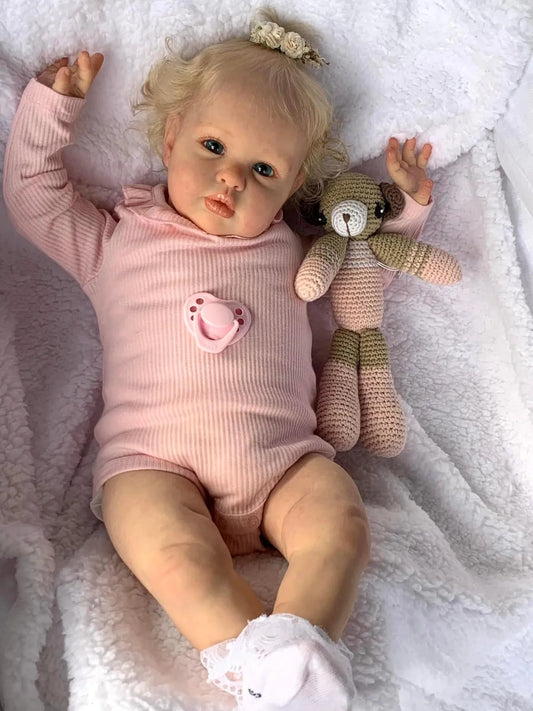
Reborn Dolls as Therapy: Emotional Benefits and Uses
Deep Dive
Reborn Dolls as Therapy: Emotional Benefits and Uses
⚡ Quick Answer
Reborn doll therapy uses lifelike infant dolls to soothe grief, dementia agitation, anxiety, and loneliness. Caregivers report calmer patients, reduced medication needs, and renewed nurturing purpose. It's a low-risk, non-pharmacological tool backed by growing clinical observation and family testimonials.
What Is Reborn Doll Therapy
Reborn doll therapy is the intentional use of ultra-realistic infant dolls — weighted, hand-painted, often with rooted hair and soft vinyl or silicone skin — to support emotional regulation in people experiencing grief, cognitive decline, or anxiety. Unlike ordinary toys, reborn dolls are engineered to trigger real caregiving instincts: the weight in your arms mimics a sleeping newborn, and the facial detailing activates the same nurturing response a real infant would.
Occupational therapists and memory-care specialists began experimenting with these dolls informally over a decade ago, noticing that residents who were agitated or withdrawn would calm down almost immediately when handed a lifelike baby. Since then, the practice has expanded into hospice settings, grief counseling, and even trauma recovery programs for adults who experienced early childhood loss.
The key distinction from a regular doll is realism. A silicone reborn doll can weigh 5 to 8 pounds, feel warm to the touch, and hold a pose the way a real baby would. That physical authenticity is what makes the therapeutic effect measurable rather than just symbolic.
Not a Toy — A Tool
Clinicians who use reborn dolls in therapy stress that these are treated as clinical aids, not playthings. Framing matters: introducing the doll as "someone to care for" rather than "a toy to play with" significantly improves outcomes in dementia patients.
Dementia and Memory Care Benefits
The most documented use of reborn doll therapy is in dementia and Alzheimer's care. Studies from memory-care facilities in the UK and Australia have shown that giving residents a lifelike baby doll reduces agitation, wandering, and verbal outbursts. One widely cited 2014 study published in the Journal of Psychiatric and Mental Health Nursing found that doll therapy reduced anxiety-related behaviors in the majority of participants within just a few sessions.
Caregivers describe residents who hadn't spoken in weeks suddenly humming lullabies or asking about "the baby's" feeding schedule. The doll gives them a role again — that of a mother, grandmother, or caretaker — which taps into decades-old muscle memory even when short-term memory has faded.
70%
of facilities report reduced agitation with doll therapy
3x
longer calm periods vs. no intervention
45min
average engagement time per session
Facilities often prefer newborn reborn dolls for this use because the smaller size and lighter weight are easier for elderly residents with limited grip strength to hold safely. Some also opt for cloth body reborn dolls, which are softer, more forgiving if dropped, and easier to launder in communal settings.
"The moment we handed her the doll, her hands stopped shaking. She looked at it like she'd been waiting her whole shift to hold something that needed her."— Memory care nurse, Ohio long-term care facility
Grief, Miscarriage, and Loss Support
Reborn dolls have quietly become a comfort object for parents grieving miscarriage, stillbirth, or infant loss. Some grief counselors now recommend a custom reborn doll crafted to resemble the lost child — same estimated birth weight, similar coloring, sometimes even a matching birthmark — as a physical, tangible way to process loss that photographs alone can't provide.
This isn't about replacing the child or avoiding grief; it's about giving hands and arms something to hold during a period when the absence feels unbearable. Therapists who work in perinatal loss report that clients describe the weighted presence of the doll as "grounding" during panic attacks or waves of grief that arrive without warning.
- Provides a physical outlet for nurturing instincts that have nowhere else to go
- Helps some parents transition gradually rather than facing sudden emptiness
- Used in guided sessions with a grief counselor, not as a standalone fix
- Custom commissions can take 6–12 weeks depending on the artist
- Often paired with support groups rather than used in isolation
Professional Guidance Recommended
If you're considering a reborn doll for grief support after pregnancy or infant loss, work with a licensed grief counselor first. The doll can be a powerful tool, but timing and framing matter enormously to avoid complicating the grieving process.
Anxiety, Depression, and Mental Health
Beyond dementia and grief, reborn dolls are increasingly used in broader mental health contexts — anxiety disorders, PTSD, and even autism spectrum support. The repetitive, predictable act of caring for a doll (feeding motions, swaddling, rocking) mirrors techniques used in occupational therapy for sensory regulation.
Adults with anxiety often describe the weighted pressure of holding a reborn doll as similar to a weighted blanket — it activates a calming proprioceptive response. Some therapists incorporate sleeping reborn dolls specifically because their closed eyes and relaxed pose encourage the holder to slow their own breathing and movements to match.
Start With Short Sessions
Therapists recommend 15–20 minute sessions to start, rather than leaving a doll with a patient all day. Short, intentional interactions build a healthier therapeutic relationship with the object and prevent over-attachment issues.
It's worth noting reborn doll therapy is a complement, not a replacement, for medication or talk therapy. The strongest outcomes come from combining it with structured care plans overseen by a professional.
Choosing the Right Therapeutic Doll
Not every reborn doll is suited for therapeutic use. Weight, material, and realism all affect how effective the doll is in a clinical or home care setting. Silicone dolls offer the most lifelike skin texture and are more durable for repeated handling, while vinyl dolls are lighter and more budget-friendly for facilities buying multiple units.
| Feature | Silicone Reborn Doll | Vinyl Reborn Doll |
|---|---|---|
| Realism | Extremely high, skin-like texture | High, slightly firmer feel |
| Weight options | Fully weighted, 5–9 lbs | Lighter, 2–5 lbs typical |
| Price range | $300–$1,500+ | $80–$400 |
| Best for | Individual grief/home use | Facilities, multiple residents |
| Maintenance | Moderate, avoid direct sun | Low, easy to clean |
For facilities on a budget, affordable reborn dolls allow purchasing several units so multiple residents can each have their own without excessive cost. For families seeking one deeply personal piece, a reborn baby doll crafted with fine detail is often worth the investment.
Skin Tone Matters
Representation matters in therapeutic settings too. Facilities serving diverse populations increasingly stock Black reborn dolls alongside lighter-skinned options so residents can connect with a doll that reflects their own family or cultural background.
Costs and Access
Cost is often the biggest barrier to adopting reborn doll therapy at scale. A single high-quality silicone doll can run $400 to over $1,000, while entry-level vinyl options start around $80–$150. Facilities managing dozens of residents typically build a shared "doll library" rather than buying one per person, rotating dolls based on need and preference.
Insurance rarely covers reborn dolls directly, since they're not classified as durable medical equipment. However, some memory-care facilities fold the cost into activity therapy budgets, and nonprofit grief organizations occasionally provide dolls at reduced cost or through donation programs for families who've experienced infant loss.
For families building a home therapy routine, starting with mini reborn dolls can be a more accessible entry point — smaller size means lower price and easier storage, while still delivering the core sensory and emotional benefits.
Find a Doll That Fits Your Care Plan
Browse realistic, weighted reborn dolls designed for genuine emotional comfort — from grief support to memory care sessions. Every detail is crafted to feel real in your hands.
Shop Reborn Baby Dolls →Best Practices for Caregivers and Families
Successful reborn doll therapy depends less on the doll itself and more on how it's introduced and used. Caregivers who've seen the best outcomes follow a few consistent habits: they let the person choose whether to hold the doll rather than forcing it, they avoid correcting someone who insists the doll is "real," and they use the doll as a bridge to conversation rather than a distraction from it.
For dementia patients specifically, consistency helps — the same doll, kept in the same spot, builds a sense of routine and ownership. For grief support, sessions work best when scheduled alongside a counselor rather than used impulsively during a difficult moment.
Clothing and accessories also matter more than people expect. Dressing the doll in reborn doll clothes appropriate to the season or occasion, and adding small reborn doll accessories like blankets or bottles, deepens the caregiving ritual and makes the experience feel more complete and purposeful.
Involve the Whole Family
When used for grief support, invite other family members to interact with the doll if they're comfortable. Shared caregiving moments — even symbolic ones — can open conversations that have otherwise stayed unspoken for years.
FAQ
There's growing observational and clinical evidence, especially in dementia care, showing reduced agitation and improved mood. Formal large-scale randomized trials are still limited, but enough facility-level studies and caregiver reports exist that many memory-care programs now use it as a standard non-pharmacological intervention alongside music and art therapy.
Many parents find comfort holding a doll during acute grief, especially one resembling their lost child. It works best alongside professional grief counseling rather than alone, since timing and emotional readiness vary widely from person to person. Always discuss the decision with a therapist experienced in perinatal loss first.
Are reborn dolls safe for dementia patients?
Yes, when introduced thoughtfully. Choose lightweight, washable dolls without small detachable parts, and let the resident decide whether to engage. Facilities typically supervise initial interactions and monitor for signs of distress, though most reports describe calming rather than agitating effects.
Prices range from around $80 for basic vinyl dolls up to $1,500+ for hyper-realistic silicone versions with fine hand-rooted hair and custom features. Most facilities and families find dolls in the $150–$400 range offer the best balance of realism and durability for regular therapeutic use.
Regular baby dolls are lightweight and clearly toy-like, which limits the emotional response they trigger. Reborn dolls are weighted, hand-painted with realistic skin tones and detailing, and posed to feel like an actual sleeping infant — that authenticity is what activates genuine nurturing instincts in therapy settings.
Yes, particularly for children processing the arrival of a new sibling, past trauma, or anxiety. A girl reborn doll or boy reborn doll can help a child practice caregiving in a safe, guided way, often used by child therapists as part of play therapy sessions rather than everyday playtime.
Tags:
Previous
How to Dress and Accessorize Your Reborn Doll
Next
Interactive Reborn Dolls: Heartbeat Simulators and Breathing Features for Enhanced Therapy